

Short answer: reduced libido is the symptom most specifically associated with low testosterone, more so than fatigue or mood. Testosterone drives sexual desire directly through receptors in the brain. Where libido has fallen and testosterone is confirmed low, treatment improves desire in most men, usually within the first six to twelve weeks.
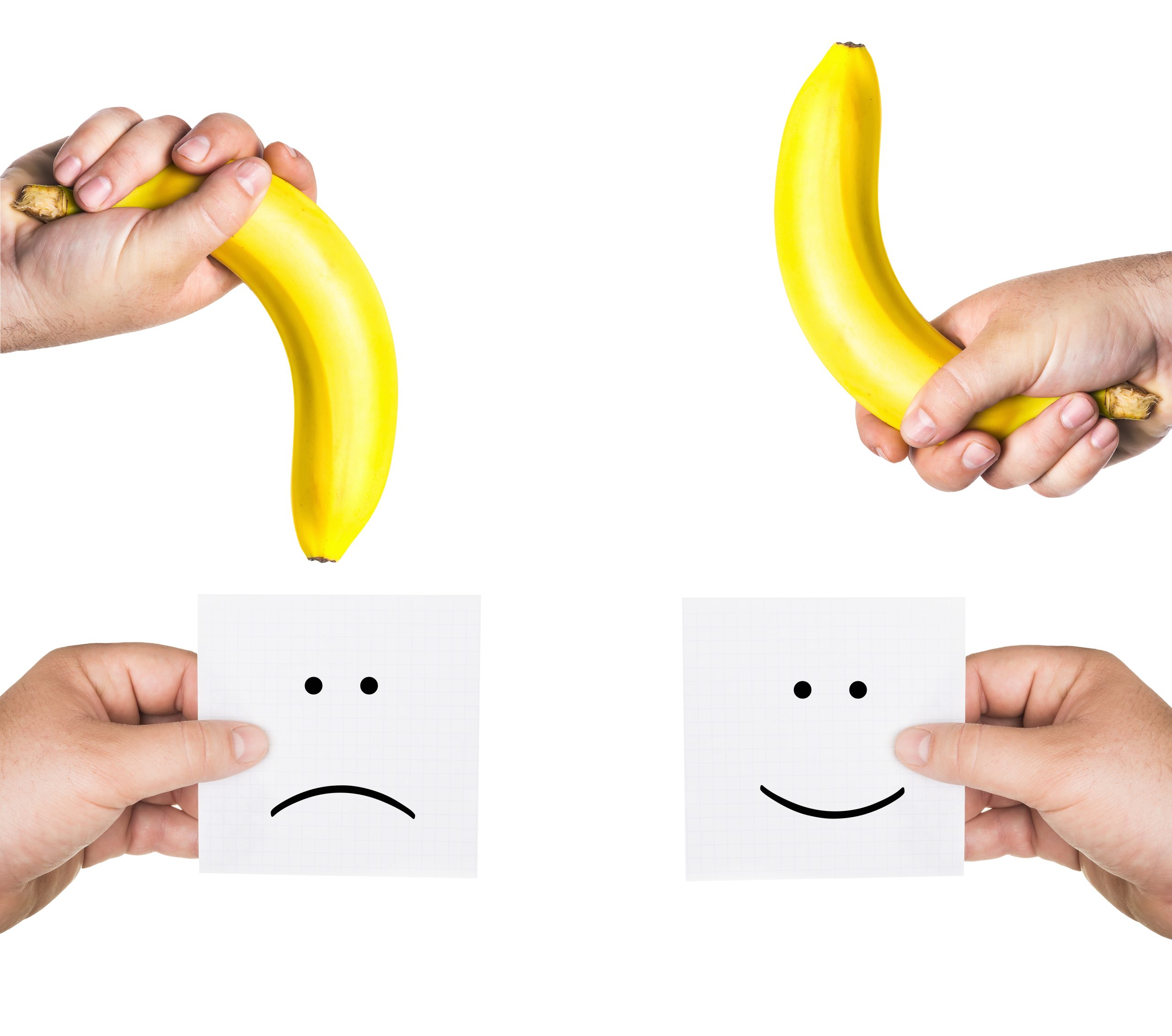
Why libido is the most telling symptom
Fatigue, low mood and poor concentration are common to dozens of conditions. Loss of sexual desire in a man who previously had a normal drive is far more specific to androgen deficiency.
Testosterone acts directly on regions of the brain that generate sexual interest, including the hypothalamus and limbic structures. This is separate from the mechanics of erection, which depend mainly on blood flow and nerve function. That distinction is the single most clinically useful thing to understand here.
Libido and erectile dysfunction are different problems
- Low libido is reduced desire. You are not thinking about sex, not initiating, and not interested when the opportunity arises.
- Erectile dysfunction is difficulty achieving or maintaining an erection despite wanting to.
A man with low libido and intact erectile function usually has a hormonal or psychological cause. A man with normal desire and poor erections usually has a vascular, neurological or medication cause. A man with both may have either, or both.
Testosterone treatment reliably improves libido. Its effect on erectile function is much weaker, which surprises men who expect it to fix both. If erections are the main issue, read whether TRT fixes erectile dysfunction and about ED treatment.
Men often present saying “things aren’t working” when what has actually changed is that they stopped wanting to. The two need separating, because the treatments differ.
Other causes of low libido
- Depression and anxiety
- SSRI antidepressants, which commonly reduce desire
- Relationship difficulties and stress
- High prolactin, which suppresses libido and needs excluding
- Thyroid disease
- Chronic pain and fatigue
- Alcohol and opioids
- Poor sleep
- Beta blockers and some other medications
Prolactin deserves particular mention. A prolactinoma is uncommon but it is a treatable pituitary cause of low libido and low testosterone together, and it is diagnosed with a simple blood test.
What treatment achieves
In men with confirmed low testosterone, treatment improves sexual desire in the large majority. It is among the earlier and more reliable benefits:
- Libido typically begins improving within three to six weeks
- Fuller effect over three to six months
- Morning erections often return earlier as a marker of response
If libido does not improve by three months on adequately dosed treatment with levels in range, the cause was probably not primarily hormonal, and the other possibilities above need revisiting.
Testing
Two morning total testosterone samples, free testosterone, SHBG, LH, FSH, prolactin, estradiol, thyroid function and HbA1c. Prolactin should not be skipped where libido is the dominant complaint. Our at-home lab kit is $99, with telehealth consultations across 36 states.
Where deficiency is confirmed, options include testosterone replacement therapy or enclomiphene where fertility matters.
Frequently asked questions
Will TRT increase my sex drive?
In men with confirmed low testosterone, yes, in the large majority. Libido is one of the more reliable and earlier responses, usually starting within three to six weeks.
Can you have low libido with normal testosterone?
Yes, frequently. Depression, SSRIs, high prolactin, relationship stress, poor sleep and alcohol all reduce desire independently of testosterone.
Is low libido the same as erectile dysfunction?
No. Low libido is reduced desire; ED is difficulty with erections despite desire. They have different causes and different treatments, though they can occur together.
How long does it take for libido to return on TRT?
Most men notice a change within three to six weeks, with the fuller effect over three to six months.
Clinically reviewed by John Webb, MD, MBA. This article is general information and is not a substitute for a consultation. Treatment is prescribed only where it is clinically appropriate.